What Really Happens in the First 30 Days of a Software Project (And Why That Month Changes Everything)
The client doesn't want to hear the project is going well. They want to see something working to show their team. Here's what the first 30 days look like at ProjectApp.

Project App
Engineering Team
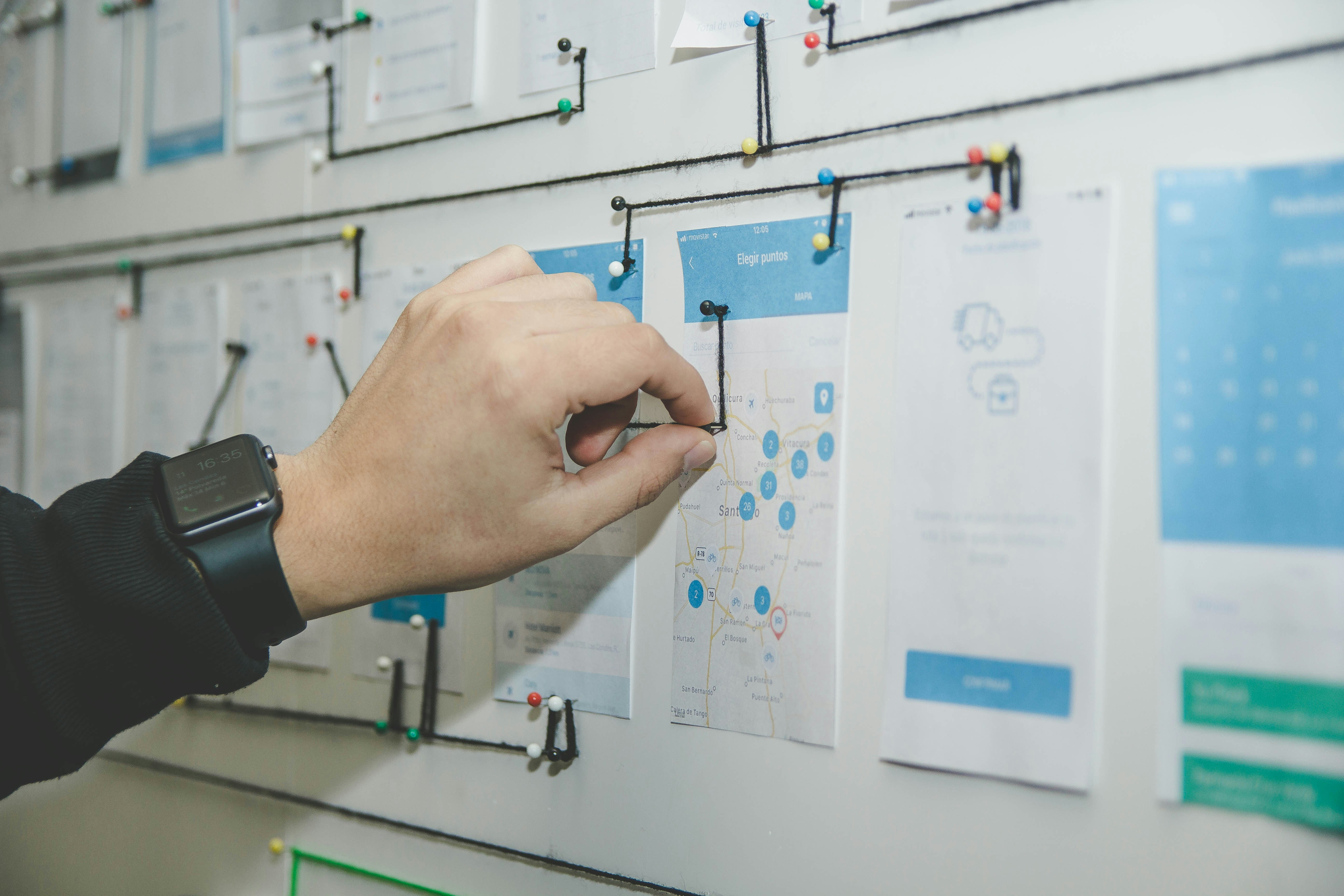
There's a question that always appears in the first week of any project: 'When will I be able to show something to my team?' It's not a technical question. It's an anxiety question. The client just made an important decision — hiring custom software — and while the project has nothing visible and functional, that decision lives in the air. I learned it quickly at ProjectApp: the client doesn't need you to tell them the project is going well. They need to see it. And that need, when understood correctly, isn't a problem. It's the clearest guide you have for knowing how to build.
What the Client Feels at the Start That Nobody Mentions
Hiring custom software is, for most business owners, one of the most uncomfortable decisions they make. Not because it's a bad decision — but because a contract was signed for something that doesn't exist yet. They paid for a promise. And while that promise has no shape, the client's brain generates anxiety. Is it going well? Did they understand what I asked for? Will they show me pretty screens or something that actually works? That anxiety isn't solved with email updates or meetings where everything is 'going very well.' It's solved with one thing: something working they can touch.
"The client doesn't want to know the project is advancing. They want to see the progress. There's an enormous difference between those two things."
— What I learned from the first 30 days in real projects
What the First 30 Days Look Like at ProjectApp
We designed the process exactly around that need. Not as a methodology exercise — but because we understand that client trust is built in those first weeks, and if it isn't built there, the rest of the project is an uphill battle.
Days 1–5 — Diagnosis
We dive deep into the client's operation. We map real processes, identify critical flows, and define the exact scope of what gets built first. We don't start writing code until we have that complete map. This step avoids the most expensive mistake in software development: building what was understood instead of what's needed.
Days 6–12 — First Functional Version
We start with the most critical flow in the system — the one generating the most pain in the current operation. By the end of this week there's something real to touch. Not a design, not a clickable prototype. Code that runs, data that enters, logic that works.
Days 13–20 — Iteration With the Client
The client uses what we built and gives real feedback. This is where adjustments appear that nobody could foresee before having something in hand: flows that look different when they're real, missing fields, logic that needs refining. That's normal and expected. It's exactly why we build fast and show early.
Days 21–30 — The Moment That Changes Everything
The client uses the system for real for the first time. With real data, with their team. And something happens that no presentation can replicate: they see their operation inside the software. It's no longer a promise — it's their business running differently. That moment is the project's point of no return.
The Moment That Impresses Most — And Why
Of all the moments in the process, the one clients remember most isn't the diagnosis or the first demo. It's the moment they use the system for the first time with real data. I've seen that scene many times: the client opens the system, enters information from their operation, sees it organize itself, generates a report that used to take hours — and there's a two or three second silence before they say anything. That silence is worth more than any presentation. It's the moment when the decision they made justifies itself.
Why That Moment Matters So Much
When the client uses the system with real data for the first time, they stop being a project observer and become a product user. That role change transforms the entire relationship: feedback becomes more precise, project commitment rises, and the probability of the system being adopted by the team increases dramatically.
Key Takeaways
Key Takeaways
- 1Client anxiety in the first weeks isn't solved with updates — it's solved with something working they can touch.
- 2The first real use with true data is the most important moment of the project. The entire process should be designed to get there as fast as possible.
- 3Building fast and showing early isn't careless — it's the only way to get real feedback that improves the product.
- 4Projects that reach the first real use in the first 30 days have a dramatically higher success and adoption rate.
The best indicator that a software project is going well isn't the timeline or the completion percentage. It's whether the client is already using something. Because when that happens — when their operation starts running inside the system we built together — the project stops being an expense and becomes an investment with visible return. And that moment, at ProjectApp, always arrives before day 30.
If you want to know exactly what the first 30 days of your project with us would look like, the diagnosis is free and gives you that complete map before you commit a single peso.