Vibe Coding Arrived. My Team Uses It Every Day. Here's What Changed (And What Didn't).
60% of global code is already AI-generated. At ProjectApp we use it daily. Here's our honest perspective from inside a development company.

Project App
Engineering Team
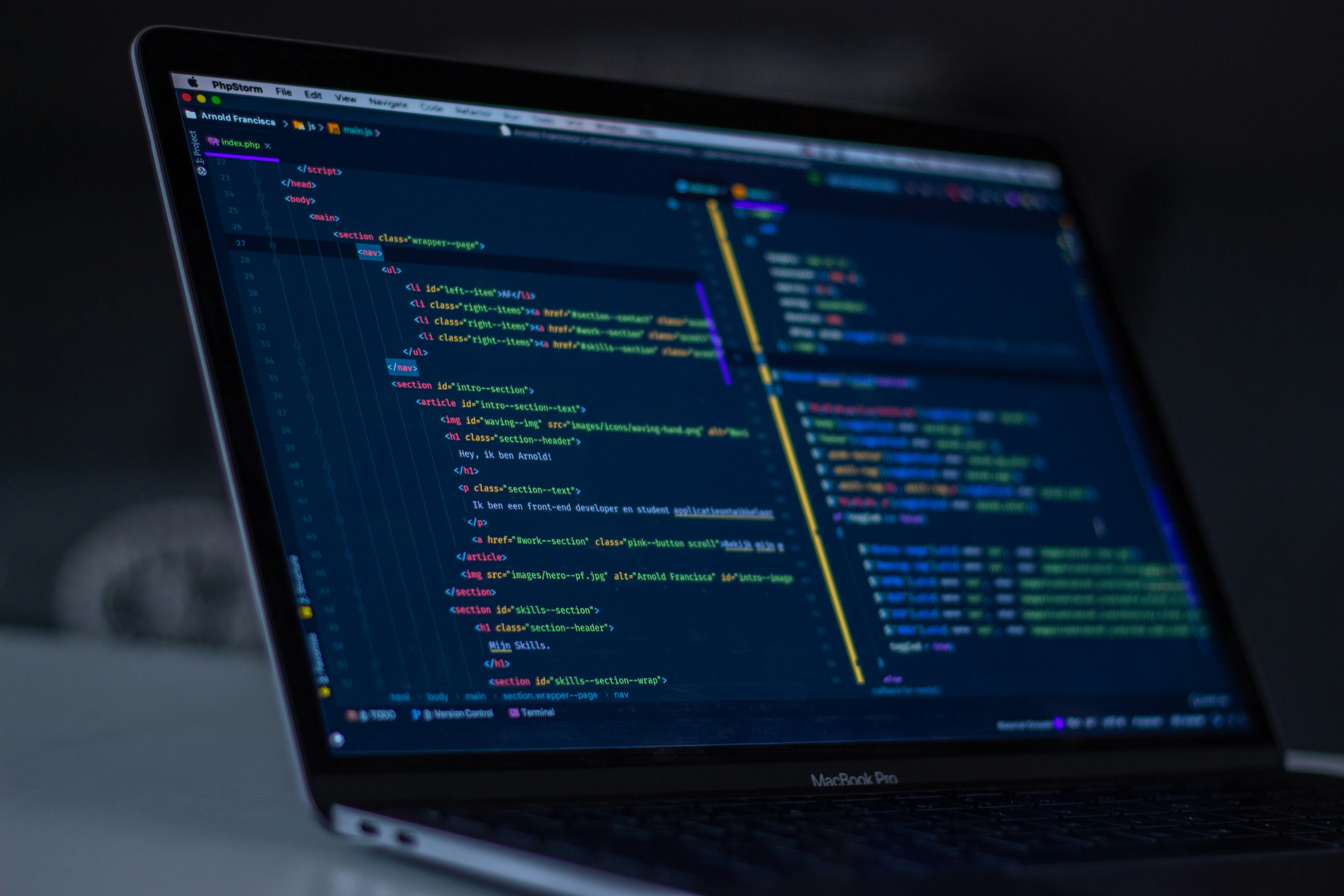
There's a conversation happening across the entire software world that we at ProjectApp are living firsthand: vibe coding. The practice of describing what you want to build in natural language and letting AI generate the code. Tools like Cursor, GitHub Copilot, and Bolt.new. 60% of code written globally is already AI-generated. 92% of US developers use these tools daily. And at ProjectApp, my team uses them every day. So when someone asks whether vibe coding will replace developers, or make custom software obsolete, I have a perspective that isn't theoretical. It's from someone inside that transformation right now.
What Vibe Coding Really Is (Without the Hype)
The term was coined by Andrej Karpathy, former AI lead at Tesla and co-founder of OpenAI: coding by fully surrendering to the AI, describing what you want in natural language and letting it build. In practice, it means a developer today can produce in hours what used to take days. Repetitive tasks like authentication, database schemas, CRUD interfaces, form validations — AI generates them in seconds. What remains for the human is what was always most valuable: understanding the problem, designing the architecture, reviewing that what was generated actually works and is secure.
The Numbers That Matter
40% of new SaaS MVPs in 2026 are built primarily with vibe coding. 25% of Y Combinator Winter 2025 batch startups have codebases 95% AI-generated. The global AI development tools market already exceeds $8.5 billion.
How We Use It at ProjectApp
When I say my team uses these tools every day, it's not marketing. It's the reality of how we work. What changed isn't what we build — it's the speed at which we reach a first functional version. Where a complex flow used to take two days of development, today it can take half a day. That has a direct impact on projects: we can show something functional faster, iterate with the client more frequently, and dedicate more time to problems that genuinely require human judgment — architecture, business logic, system integration.
"Vibe coding multiplies execution speed. It doesn't replace judgment about what to execute."
— What we learned using it on real projects
Key Takeaways
Key Takeaways
- 1Vibe coding is real, it's here, and at ProjectApp we use it every day. Not adopting it would mean falling behind.
- 2What changed is execution speed. What didn't change is the value of human judgment about what to build and how.
- 3The real risks are invisible technical debt, the black box problem, and false sense of completeness — all managed with serious technical review.
- 4For the client: the cost of some types of development will drop. The value of experience and technical judgment will rise.
Vibe coding won't replace software development companies that do their work well. It will replace those doing poor work slowly. The speed AI provides makes it more evident, not less, who actually understands what they're building. At ProjectApp we use it to do more in less time — but the judgment about what to do and how to do it well remains what differentiates a system that transforms an operation from one that only works in demo.
If you want to understand how we use these tools on real projects and what that means for your project's timelines and costs, let's talk.