How I Scaled My First SaaS to $5,000 USD/Month in Colombia's Medical Cannabis Industry
An industry with over 300 licensed companies, completely manual processes, and government penalties bleeding entire operations dry. That's how we found the perfect niche for our first SaaS.

Gustavo Pérez
CEO — Project App
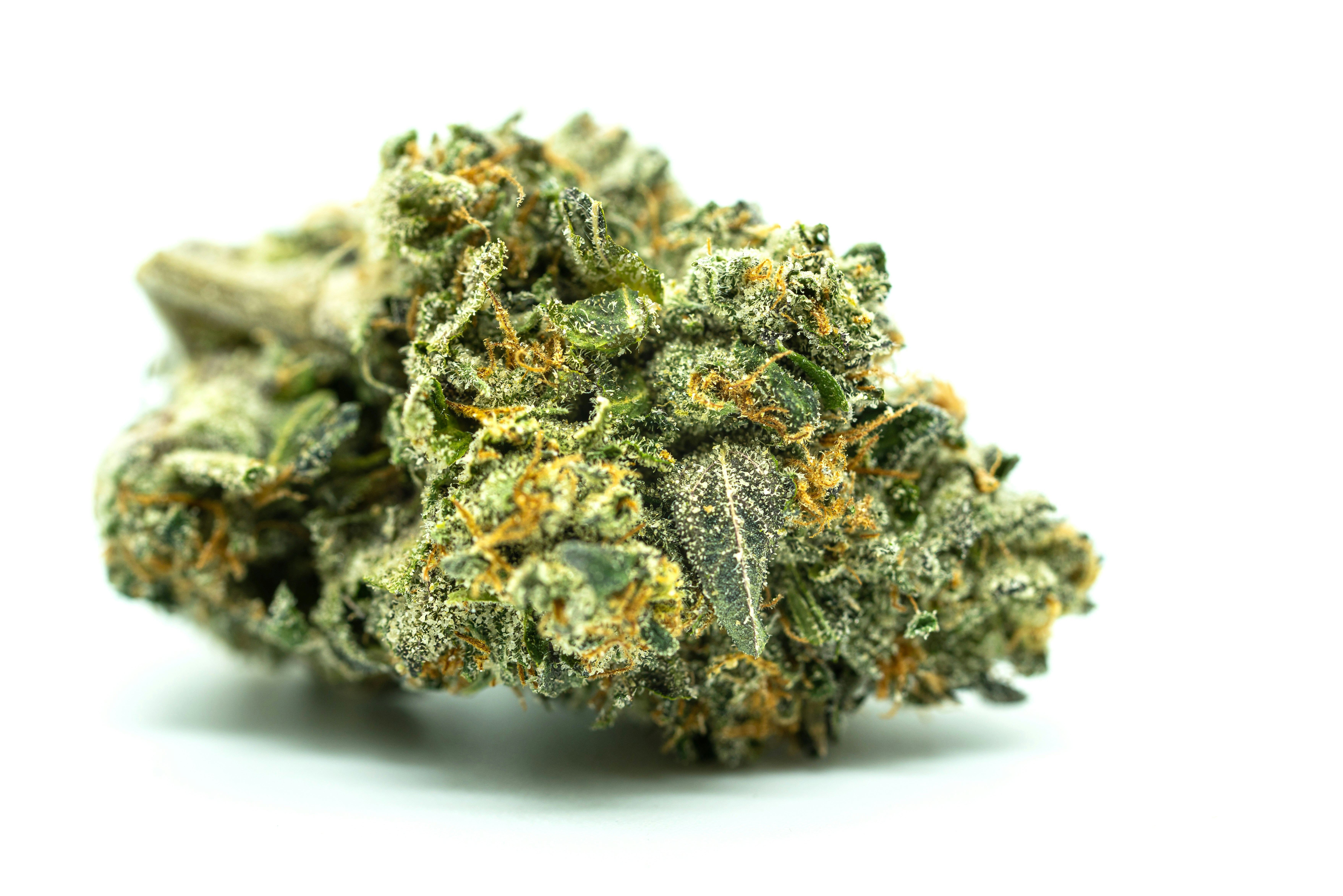
There are industries that the tech world completely ignores. Not because they don't have problems — but because nobody has looked closely enough. Colombia's medical cannabis industry was exactly that: over 300 government-licensed companies, operating under one of the world's most demanding regulatory frameworks, with critical traceability processes to avoid losing their license... and most of them keeping those records on physical spreadsheets. Not Excel. Paper. When we discovered that, we understood we were looking at an enormous problem with very few competitors willing to solve it. This is the story of how we built our first SaaS, reached $5,000 USD in monthly recurring revenue, and learned that technical skill alone doesn't get you very far without the right commercial partner.
A Million-Dollar Industry Running on Paper
Colombia passed Law 1787 in 2016, legalizing the cultivation, transformation, and export of medicinal cannabis. Since then, the government granted over 300 licenses to companies in departments like Antioquia, Quindío, Tolima, Cundinamarca, and Boyacá. The business appeal was — and remains — enormous: producing a gram of cannabis flower in Colombia costs less than $0.50 USD, while in Canada it typically exceeds $1 USD. The competitive cost advantage is brutal. But there was a problem nobody was solving: the seed-to-sale process.
What is Seed to Sale?
It's the complete traceability process from when a seed is planted until the product reaches the final buyer or is exported. Every plant, every batch, every stage of cultivation must be documented and reported to the government. If that report fails, the company loses its license — and with it, years of investment.
The Problem Bleeding Companies Dry
The Ministry of Justice, Ministry of Health, and the National Narcotics Fund require every licensed company to keep rigorous control of their operation: how many plants, at what growth stage, how much product harvested, what happened to each batch. Any inconsistency between what a company reports and what the government verifies can generate severe penalties — or license revocation. And these companies were doing that tracking on physical spreadsheets. Human error was constant. Penalties were real. The cost of non-compliance was devastating.
- Paper records that got lost, got wet, or simply had transcription errors.
- Inability to generate real-time reports for government audits.
- Hours of manual work to consolidate information from multiple batches and growth stages.
- Permanent risk of penalties for inconsistencies between what was cultivated and what was reported.
- Without clear traceability, companies couldn't prove the clean origin of their product for export.
The Partnership That Changed Everything
The first decision we made — and the most important — wasn't technical. It was commercial. Instead of building the software first and then going out to sell it, we looked for a strategic partner inside the industry. An already-licensed company with active operations that understood the problem from the inside and was willing to bet on the solution. The deal was simple: they paid for server maintenance on the early software versions in exchange for being our pilot client. We developed the complete system at no initial cost to them.
"You can have very strong technical skills. But you need a strategic commercial partner who gives you fast, trust-validated entry into the industry you want to reach."
— The biggest lesson from this process
What That Partner Gave Us That Money Can't Buy
Working closely with that first company gave us something we couldn't have bought or researched from the outside: the real business logic of the industry. We understood in depth how the administration of a medical cannabis operation actually worked. What the real bottlenecks were in the traceability process. What information the grower needed to see in real time. What reports the government asked for and in what format. What happened when a batch didn't meet standards. That total immersion in the business is what allowed us to build software that genuinely fit the operation — not a generic solution adapted from another industry.
Real-Time Seed-to-Sale Traceability
Every plant, every batch, every stage of the process was recorded digitally. Reports that previously took days to consolidate were generated in seconds.
Regulatory Compliance Alerts
The system alerted when a batch was approaching a reporting deadline or when there were inconsistencies that could generate penalties. The cost of fines was the most powerful sales argument we had.
License and Certificate Management
Colombia requires four different types of licenses depending on the activity. The software tracked expiration dates, renewals, and requirements for each one so companies were never caught off guard by an audit.
Automatic Government Reports
The formats required by the Ministry of Health and the FNE were automatically generated from data already recorded in the system. Zero manual transcription, zero risk of inconsistencies.
The Door That First Partner Opened
When the software was running and our partner company saw the results — fewer errors, less administrative time, zero penalties for reporting — something happened that we hadn't entirely planned: that contact opened doors to the rest of the industry. In an industry as regulated and closed as medical cannabis, trust is everything. Nobody is going to hand over their regulatory traceability to software that nobody knows. But when that software is already used by someone respected in the industry who can vouch for it — the conversation changes completely. Within months we had clients that first partner had directly referred.
The Business Model That Made It Scalable
We designed a pricing model that made sense for the industry: companies paid based on their cultivated hectares and other production indicators. Not a fixed price equal for everyone. This had very clear logic:
- A small company with 2 hectares paid an accessible rate they could handle from month one.
- A large company with 50 hectares paid proportionally more — because the regulatory risk the software protected was also greater.
- The model grew with the client: as they expanded their cultivation, the recurring revenue grew too.
- No friction to enter the software, and a model that justified itself with savings from penalties avoided.
Key Takeaways
Key Takeaways
- 1Regulated niche industries have the most painful traceability problem and the fewest available technology solutions.
- 2The right strategic partner is worth more than the best sales pitch: they give you access, real business knowledge, and open doors you couldn't open alone.
- 3A pricing model based on the client's operation size (hectares, production) creates recurring revenue that scales with the client.
- 4In Colombia there are dozens of industries with completely manual processes waiting to be digitized. The opportunity belongs to whoever dares to enter first.
- 5Technical skill is necessary but not sufficient. Commercial access with trust validation is what turns that skill into a real business.
We reached $5,000 USD in monthly recurring revenue not because we built the world's best software, but because we found the right industry, entered through the right door, and built from the inside with real knowledge. Today we continue expanding to more companies in the industry. And with Decree 1138 enabling dry flower export, the horizon of this industry just got much larger. The question isn't whether Colombia's medical cannabis industry will digitize. It's who will be there when that happens at scale.
If you have a niche industry with manual processes and want to understand how to build software that genuinely solves the problem from the inside, that's a conversation I love having. Write to me.