Charging Per Project Gives You Money Today. Charging Per Use Gives You a Company. How to Build a SaaS Model That Scales.
The difference between a software business that survives and one that scales comes down to one model decision: do you charge once or do you charge always?

Project App
Engineering Team
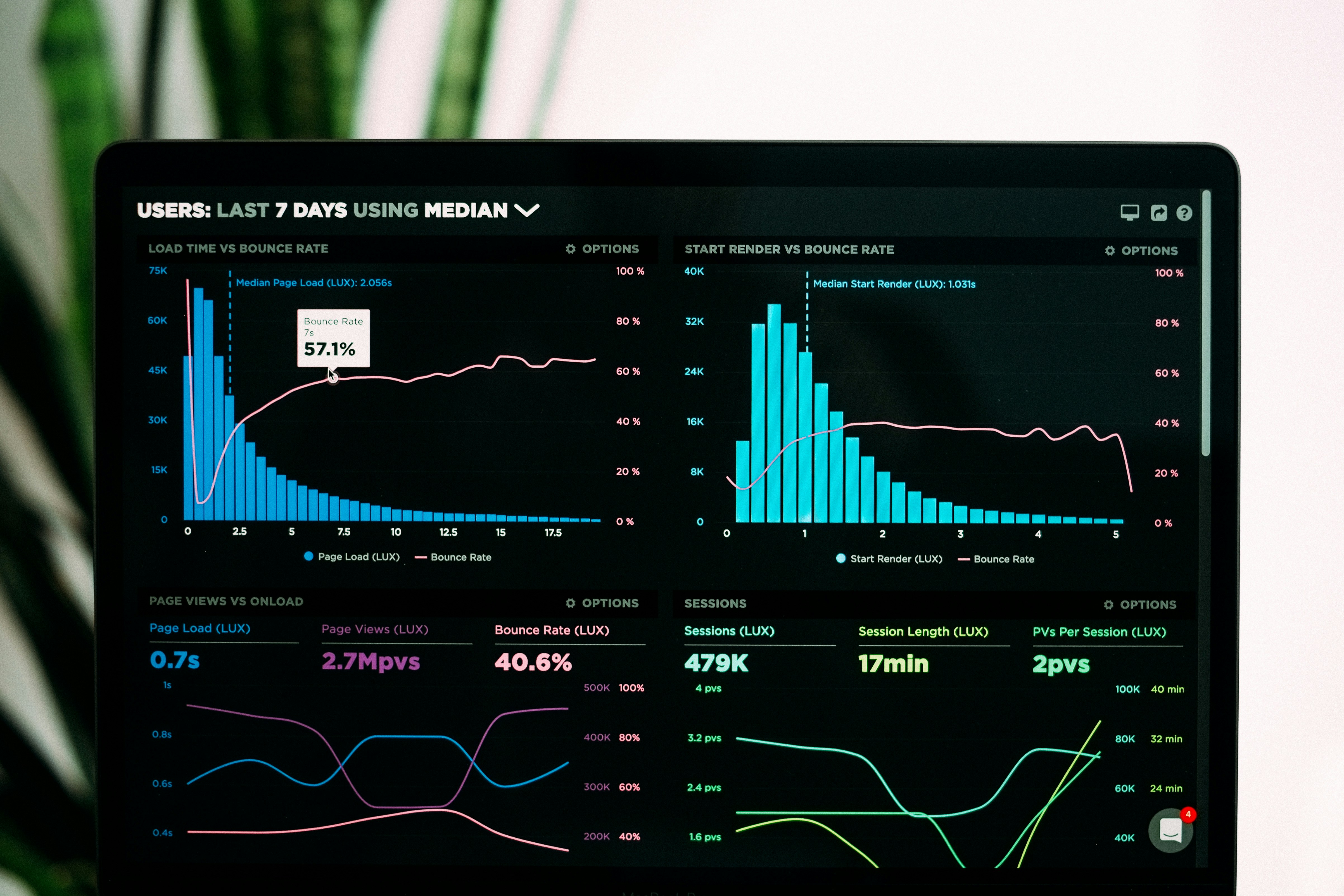
When we built the software for the medical cannabis industry, we made a model decision that changed everything: instead of charging a fixed project fee for development, we designed a model where companies paid monthly based on their cultivated hectares. That turned a software project into a recurring business. And that difference — between one-time revenue and recurring revenue — is the difference between a software company always chasing the next client and one that has a stable base from which to grow. This is the most important lesson I learned in that process, and it applies to any company that wants to build software as a business.
The Problem With the Per-Project Model
Charging per project has very immediate logic: you do the work, you get paid, done. For the client it's simple to understand and for you it seems simple to execute. The problem is structural: every month that starts, revenue goes back to zero. You have to find the next client, close the next project, start over. No accumulated base. No predictability. No ability to plan growth with certainty. Software companies that only charge per project are in a permanent hunting cycle — and that cycle exhausts before it scales.
"A project business teaches you to sell. A subscription business teaches you to retain. They're completely different skills, and the second one is what builds a company."
— Direct learning from that process
Key Takeaways
Key Takeaways
- 1The per-project model generates one-time revenue. The per-use model builds a company. The difference is structural.
- 2The right pricing indicator is the one that grows when the client is more successful. In cannabis it was hectares. In other businesses it could be users, transactions, or locations.
- 3Recurrence changes the team's incentives: it's no longer about delivering and closing, but about the client using and renewing.
- 4Low MRR with low churn is more valuable than high MRR with high churn. Retention is the business.
We reached $5,000 USD in monthly MRR in the cannabis industry because we found the right model before scaling. That model — charging by hectares, growing with the client, no renegotiation friction — turned a custom development into a predictable business. The lesson applies to any software that solves a recurring problem in a specific industry. If you have that problem identified and you're charging per project, you're leaving the real business on the table.
If you're building a software product and want to think through the business model before scaling, that conversation interests me. Write to me.